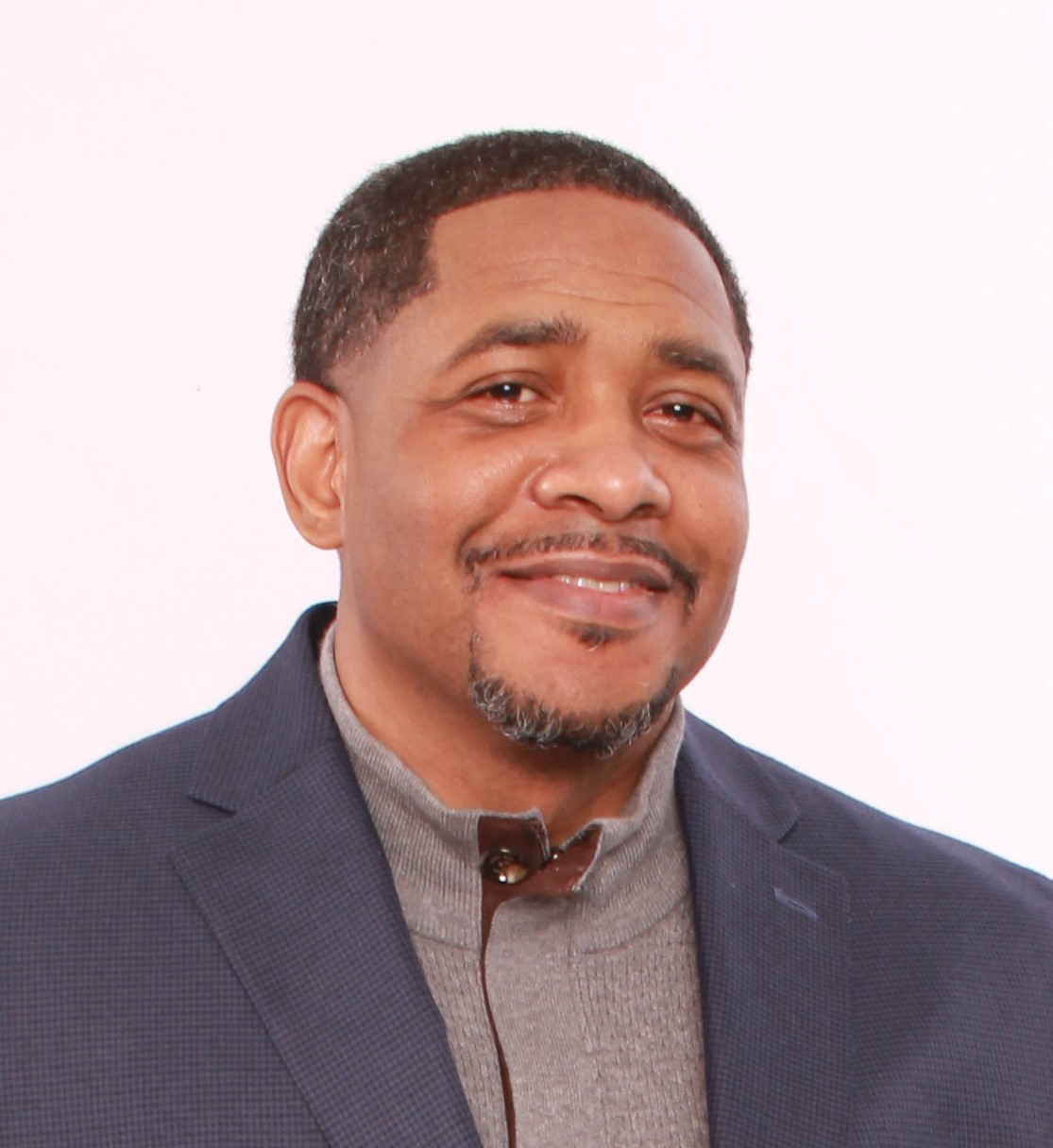
James A. Parham, PfMP, PgMP, PMP
Founder, Army Strong PM Consultants, LLC
Business architect and program leader. MS, Industrial-Organizational Psychology. CW4 (Ret.), U.S. Army Ordnance Corps. Active Secret clearance.
Biography
James A. Parham served 25 years in the United States Army Ordnance Corps, starting in 1997 at Fort Hood, Texas, as a 45B Small Arms Repairman and retiring in June 2021 as a Chief Warrant Officer 4 in the 915E technical field. Six overseas tours, four combat. He spent 14 of those years as a brigade and battalion maintenance officer responsible for fleets valued in excess of one billion dollars and annual budgets near $120M. He founded Army Strong PM Consultants, LLC in January 2024.
Early in his career, every technical question he brought to his NCOIC came back the same way: "What did the book say?" At first it felt like being slowed down. Over time it became the lesson that shaped his whole practice. Read first. Think critically. Then ask better questions. Doctrine is the map, not the obstacle.
Teaching has been part of the work since 2013. He served as a TAC officer at the Army's only active-duty Warrant Officer producing school at Fort Rucker, then as Course Manager and Senior Instructor at the Technical Logistics College at Fort Lee. That instinct carried into the ServiceNow course he designed, and the career transition support he built, for a veterans SkillBridge program at St. Michael's Learning Academy (SMLA).
In the civilian sector, organizations operate through strategy, capabilities, processes, and data, but rarely under a unified doctrine. He studied BIZBOK, DMBOK, BABOK, PMBOK, and the systems engineering body of knowledge as civilian doctrine, and he is a member of three Business Architecture Guild reference model teams, including the Government Reference Model.
How We Think
W. Edwards Deming described profound knowledge as four parts, all related to each other. They are the reason ASPMCS works the way it does, and they are why our four service lanes belong in one company.
-
Appreciation for a system
See the whole, not the part.
Twenty-five years of Army sustainment taught it. Business architecture and systems engineering are how we practice it: we start from the whole value stream before we touch a single process or tool.
-
Knowledge about variation
Signal from noise.
Count it, do not assert it. Our program governance runs on measures, and a modeled figure is labeled modeled until the data says otherwise.
-
Theory of knowledge
How we know, how we predict.
Every finding traces to a requirement and a test someone else can run. A hypothesis ships with the check that would prove it wrong.
-
Psychology
Understand people and change.
This is where James started: counseling training, then a master's in industrial-organizational psychology. Our workforce development and change work is built on how people actually learn, adopt, and lead.
Fix the system so good people can win. Never blame the person for a design built to fail them.
Source: W. Edwards Deming, The New Economics for Industry, Government, Education.
Education
- Master of Science, Industrial & Organizational Psychology, Arizona State University. August 2026. 4.00 cumulative GPA.
- Master of Management, Project Management, Troy University. October 2023.
- Bachelor of Science, Psychology, Troy University. July 2013.
Graduate certificates in progress
- Graduate Certificate in Systems Engineering Practice, Colorado State University. Admitted, Spring 2027. SYSE 501 Foundations of Systems Engineering in progress.
- Graduate Certificate in Business Architecture, Penn State World Campus, Smeal College of Business. In progress, Fall 2026.
- Professional Certificate in Strategic Foresight, University of Houston. Enrolled, Spring 2027.
Senior Rater Recognition
"#1 Maintenance Warrant Officer I have observed during my 24 years of service in the Army... absolutely unlimited potential. Must promote to CW5. CW4 Parham is my first choice Army-wide to serve as a Division Maintenance Tech."